As an SEO consultant, I spend a decent amount of time on LinkedIn. Right now, two tools are dominating the marketing software conversation on that channel: Semrush and HubSpot.
A lot of business owners and new marketers are wondering which tool they should use to improve their online presence. I’ve used both Semrush and HubSpot over the years and see definite uses for each.
Let’s take a closer look at when you should use these tools.
What is HubSpot?
HubSpot is a customer relationship management (CRM) tool. It has a variety of features to help you connect with your target audience.
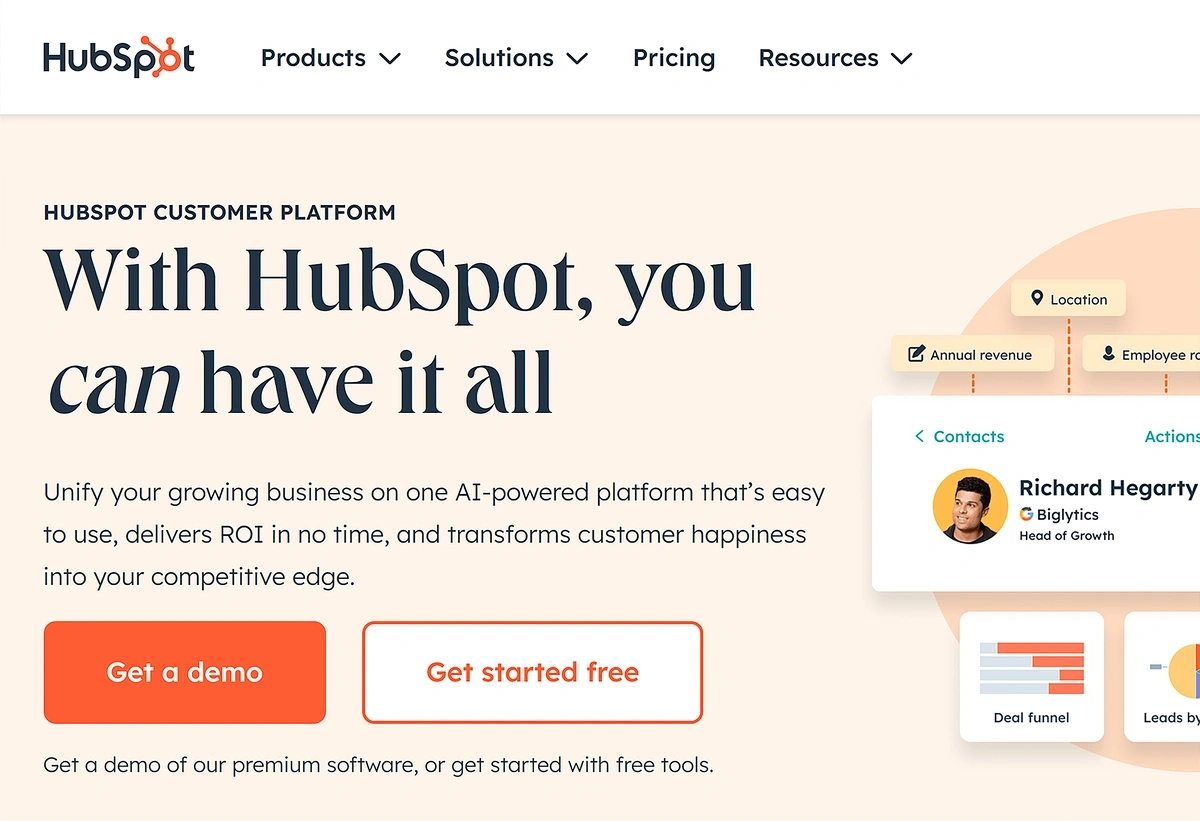
You can use HubSpot to:
- Build lead generation landing pages to capture potential customers’ information
- Create complete sales funnels that guide customers toward a conversion
- Optimize multichannel marketing campaign management
- Publish new webpages with the help of AI
- Send engaging marketing emails
- Develop and apply a customer segmentation plan
- Assess prospects’ suitability with lead scoring
- Monitor social media engagement
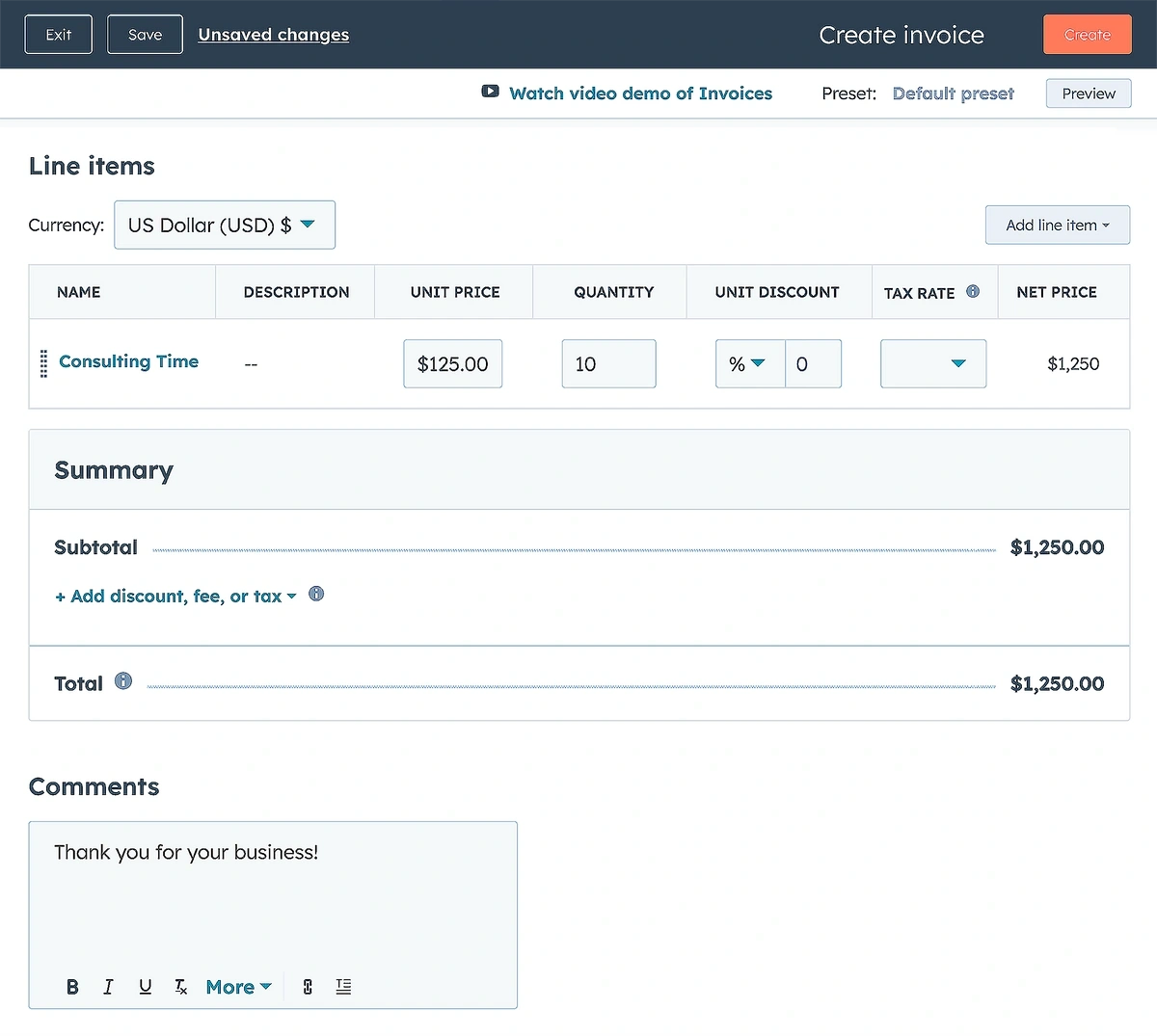
- Issue invoices to customers
- Monitor how your brand appears in AI search results
- Manage customer support tickets and chats
HubSpot’s messaging says that it’s an all-in-one platform … and it is, to a point. It's useful for executing marketing initiatives and organizing data, but it’s not a good research tool.
You'll need to use another platform to research markets, competitors, audience segments, and search engine results page (SERP) rankings.
Notable HubSpot Tools and Features
HubSpot tools are organized into “hubs” based on user need: marketing, sales, customer service, and commerce.
HubSpot Marketing Tools
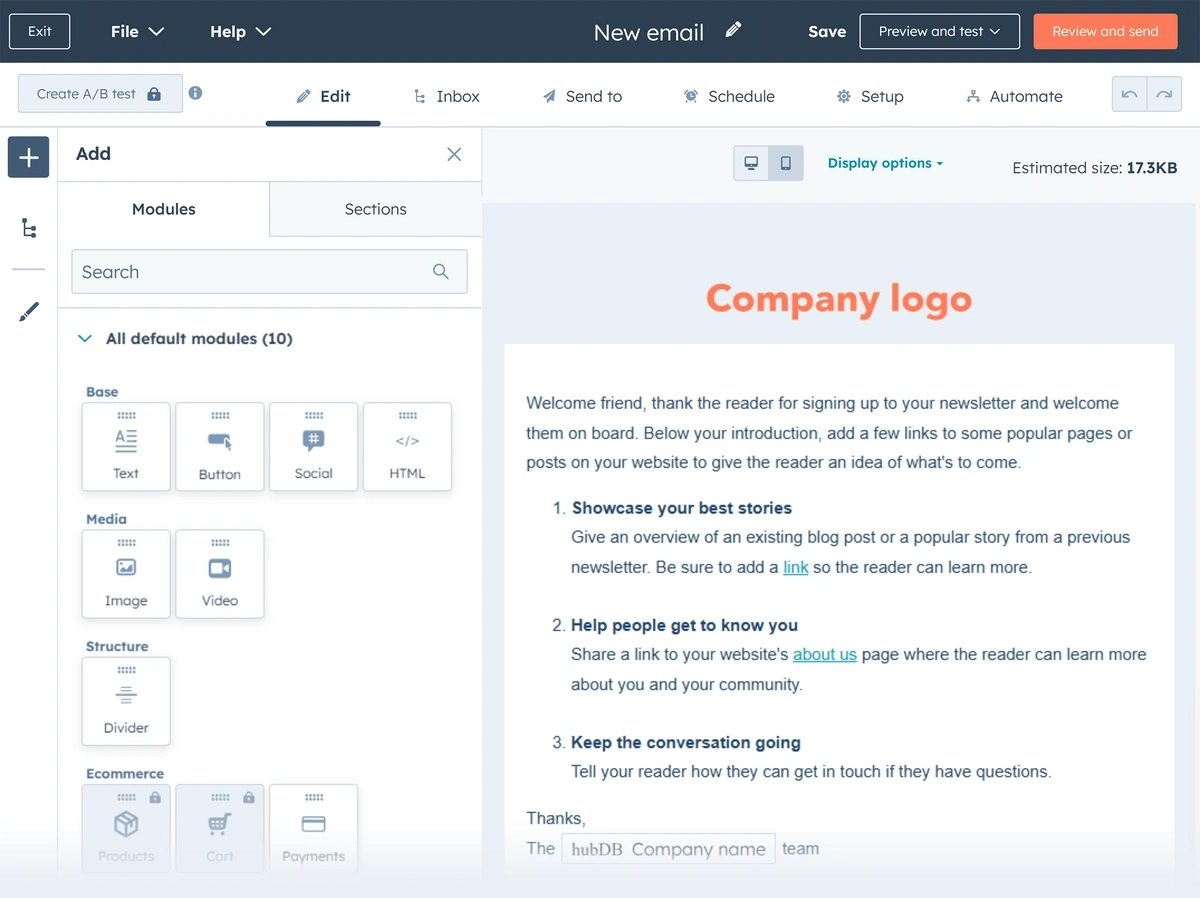
The HubSpot Marketing Hub and Content Hub give you access to:
- Marketing automation workflows
- Content and digital asset management features
- Content cluster trackers
- A/B testing tools
- Membership portals
- Website building tools and WordPress integrations
- Video and podcast hosting space
HubSpot Sales Tools
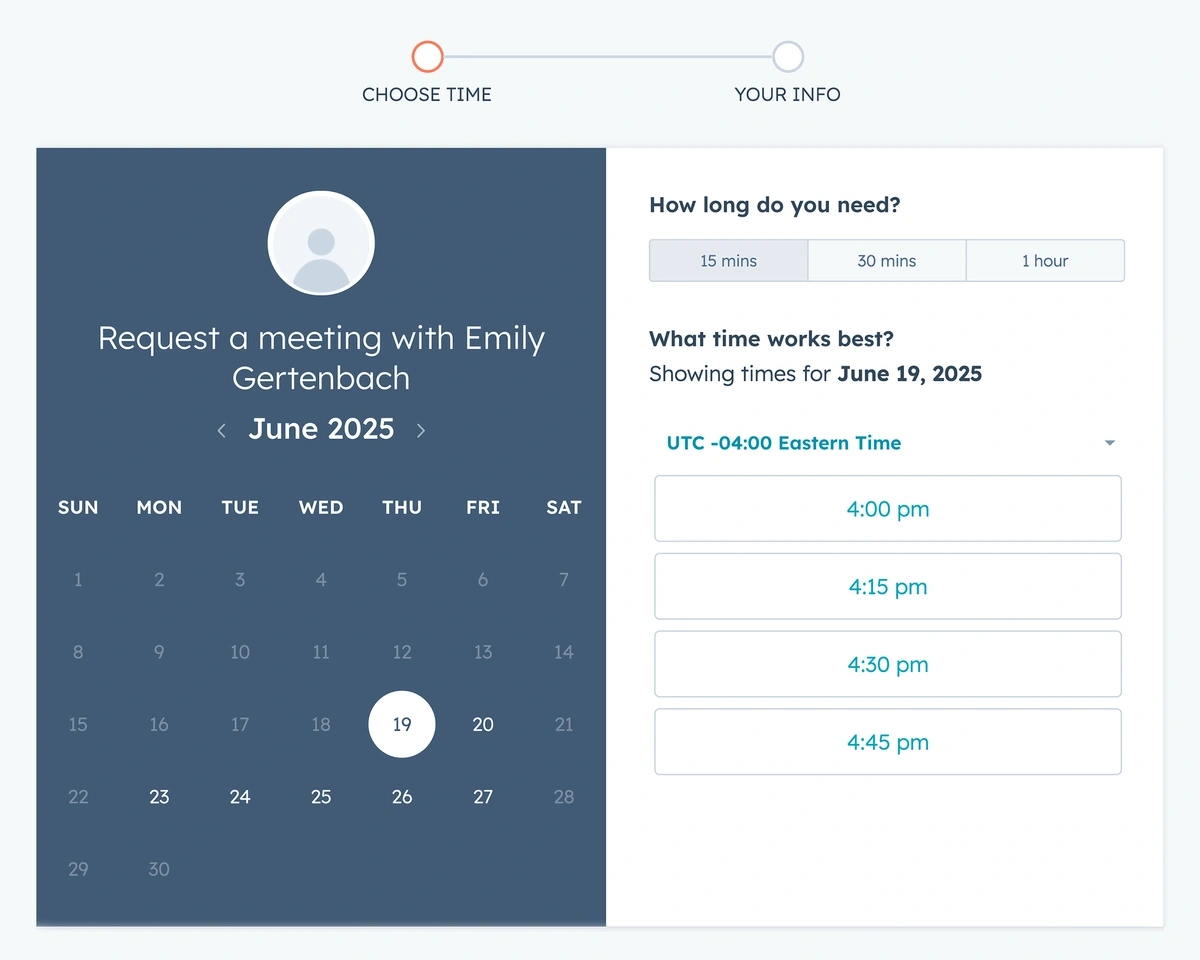
HubSpot’s Sales Hub includes:
- An AI agent that can chat with prospects
- Tools for organizing leads
- A meeting scheduler
- Email and call tracking tools
The platform also includes an Operations Hub that makes it easier to clean customer data. This way, you know you’re contacting the right people.
HubSpot Customer Service Tools
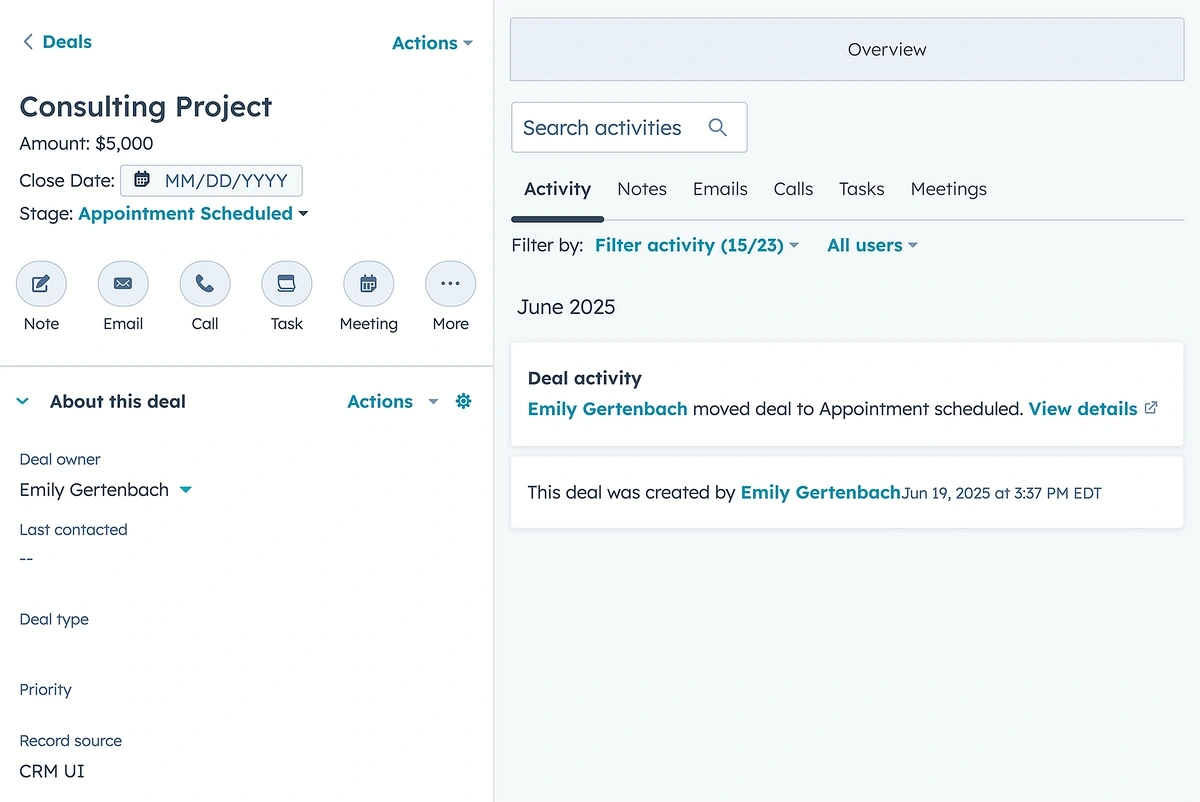
Unlike some CRM platforms that just act as a place to store and organize customer data, HubSpot includes customer experience tools. The Service Hub gives users access to:
- AI customer service chatbots
- Helpdesk and ticketing software
- Messaging tools
- Call tracking capabilities
- Deal pipeline trackers
- Knowledge base management
- Feedback scoring and assessment tools
- Customer portals
- Automated customer service workflows
HubSpot Commerce Tools
The HubSpot Commerce Hub tools are for B2B companies and include an invoice builder and revenue reports. Plus, it integrates with a variety of payment processors and bookkeeping platforms.
HubSpot Plans and Pricing
HubSpot offers several different plans based on your needs, team size, and goals for using the platform.
| Plan Tier | Cost (Billed Annually) | Best For |
| Free | Free for 2 users | Very small businesses and startups |
| Starter Customer Platform | $9 per user, per month | Small businesses focused on marketing and customer service |
| Marketing Hub Starter | $9 per user, per month | Small businesses focused on lead generation |
| Marketing Hub Professional | $800 per month for three user seats | Mid-size businesses interested in multichannel lead generation and marketing automation |
| Marketing Hub Enterprise | $3,600 per month for five per seats | Mid-size businesses interested in extensive customer targeting and journey mapping |
You can also choose to buy access to just one of HubSpot’s hubs. This way, you’re only paying for exactly the features you need and use.
HubSpot Pros and Cons
| HubSpot Pros | HubSpot Cons |
| Free plan options | Paid plans can be expensive for multiple users |
| Customizable and single-tool paid plans | Paid plans place limits on the number of contacts you can store |
| Integration with popular tools like WordPress, Stripe, and QuickBooks | Doesn’t include support for conducting audience research |
| AI-powered customer management tools | No SEO tracking or research tools |
| Support for content management | |
| Tools to automate and improve multichannel lead generation | |
| HubSpot Academy courses and resources |
What is Semrush?
Semrush is a comprehensive search engine optimization (SEO) and marketing platform.
Semrush tools can help you:
- Research keyword volume and competition
- Conduct in-depth competitive analysis
- Find the best keywords for pay-per-click (PPC) advertising
- Find valuable backlink opportunities
- Improve local SEO presence and citations
- Optimize content to appear in traditional and AI SERPs
- Create and manage social media posts
Semrush is a better choice than HubSpot for conducting SEO and marketing research. It doesn’t include as much support for generating specific leads or nurturing prospects, though. That’s an area where HubSpot shines.
Notable Semrush Tools and Features
Semrush includes tools that can help you optimize your site for:
- Organic search
- Paid search
- Social media
- AI search
Semrush Tools for Keyword Research
Semrush is a well-respected keyword research tool. Its large database means that you can get a feel for nearly any keyword’s popularity around the world.
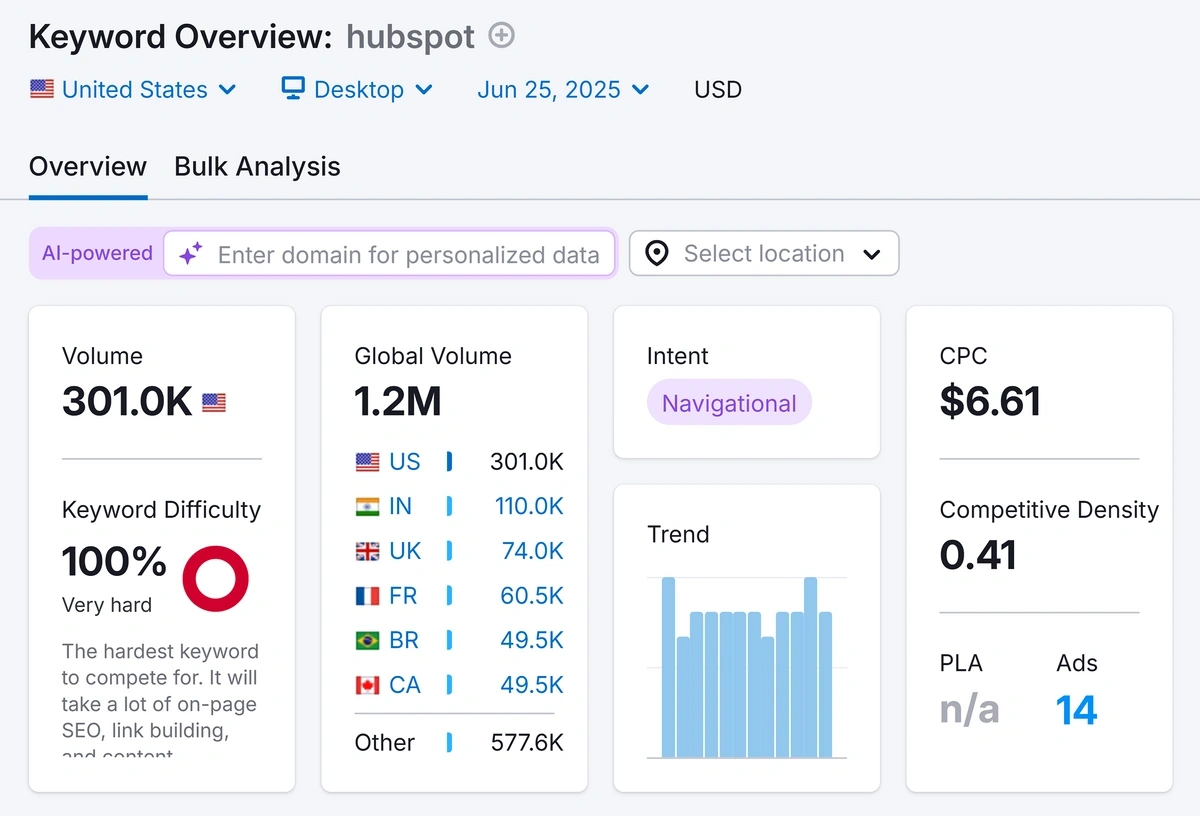
The three tools that I like to use for keyword research are:
- The Keyword Overview tool, which gives me an in-depth look at any SERP
- The Keyword Gap tool, which helps me see how I can work toward outranking specific competitors in SERPs
- The Keyword Magic Tool, which helps me gather related terms and build out stronger content clusters
Tip: You can find great target keywords quickly by using our free keyword research tool
Semrush Tools for Content Marketing
Semrush also includes a number of tools for creating and improving your site’s SEO content:
- The Keyword Strategy Builder makes it easy to take a group of terms and turn them into a complete content strategy
- The Topic Research tool speeds up the process of developing related topics, content headlines, and more
- The SEO Content Template tool lets you generate content briefs with only a few clicks
- The SEO Writing Assistant scores content in real time as you write it and gives feedback on how to better improve a page’s SEO performance
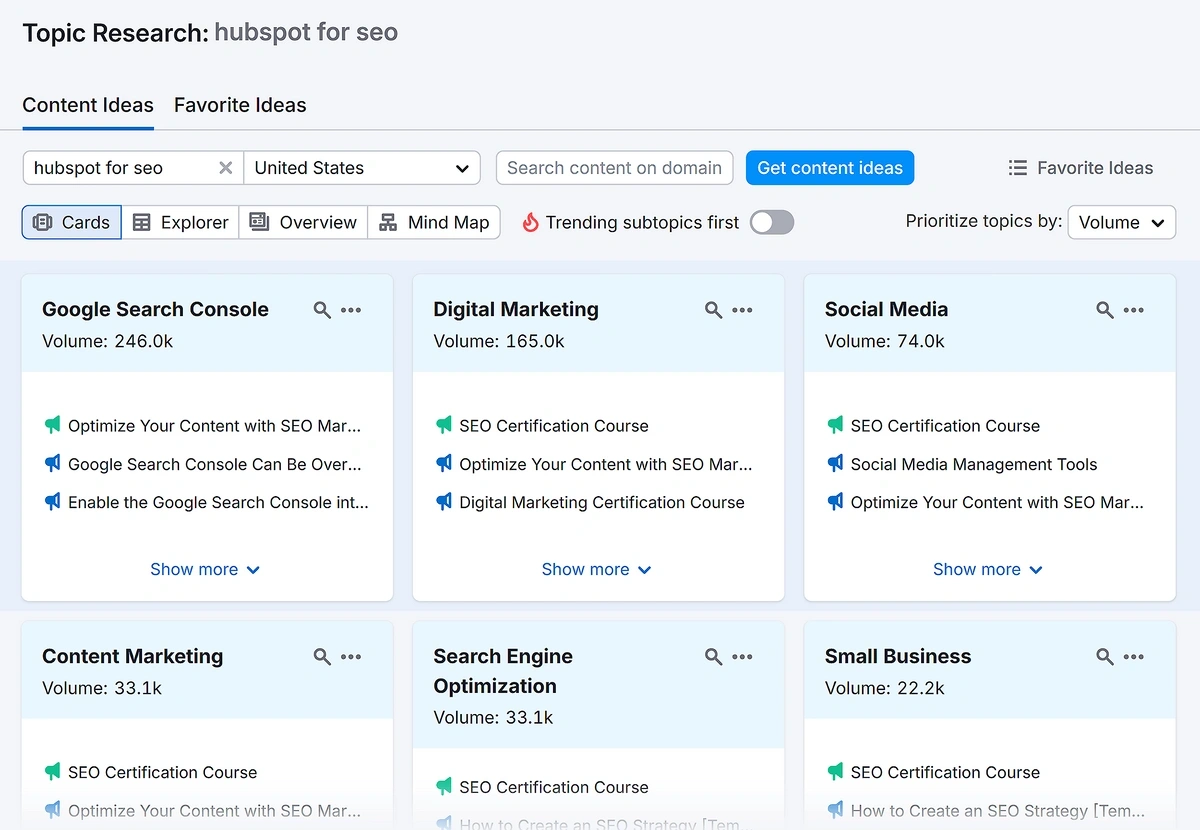
Combined, these tools make SEO content creation much easier than it was 15 years ago, when I first started working in this field!
Semrush Tools for Backlink Analysis
You can use Semrush to improve your off-page SEO tool, most notably by building a better backlink profile.
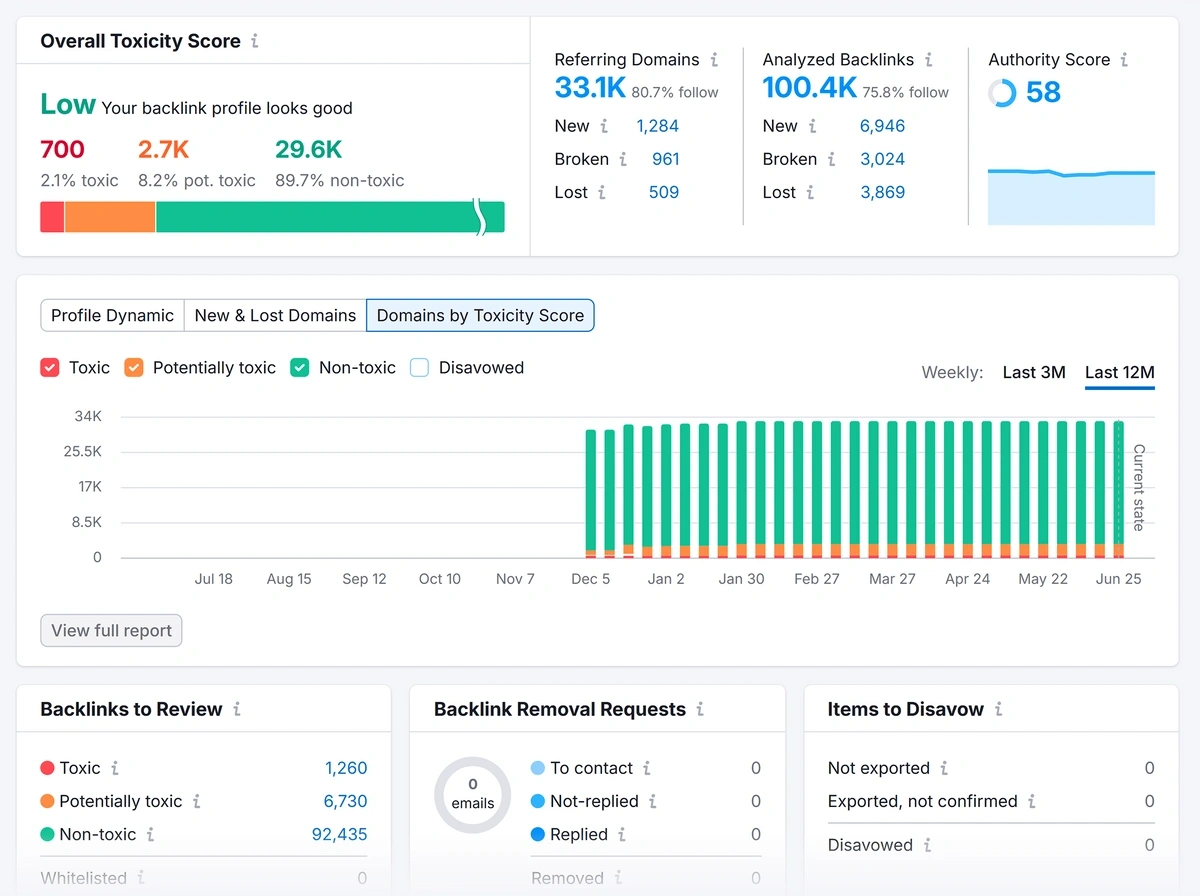
Semrush Backlink Analytics and Backlink Audit tools help you better understand how other sites link to yours. The tools even show you if a site is low-quality or spammy.
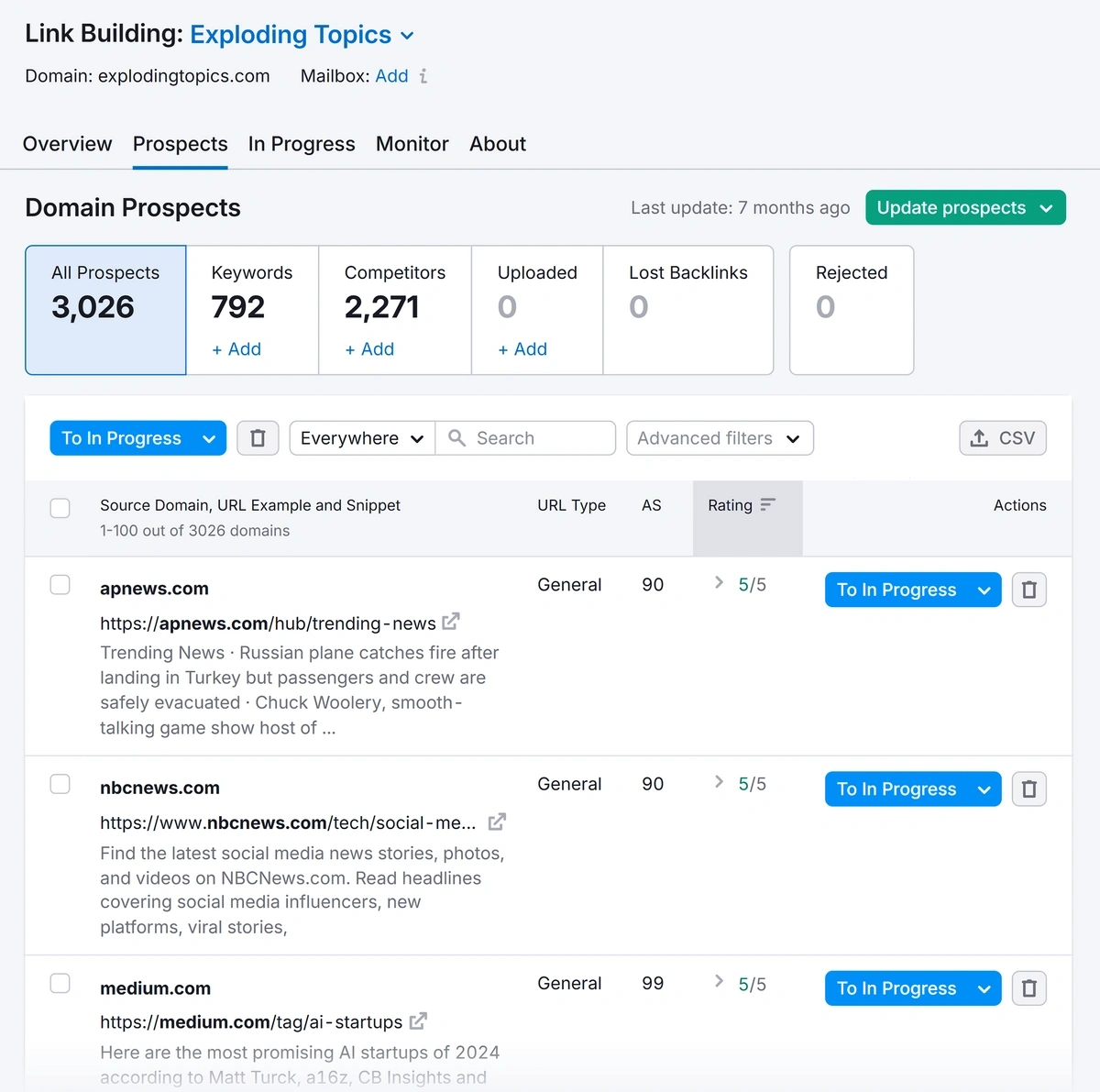
The Link Building Tool allows you to look for high-quality link opportunities and reach out to site owners directly through the Semrush platform. You can keep track of your link outreach too—the tool is a bit like a CRM just for backlinks.
Semrush Tools for Generative Engine Optimization (GEO)
An increasing number of people are turning to AI tools instead of search engines. This means that it's important to optimize your site for large language model (LLM) search.
Semrush excels at this.
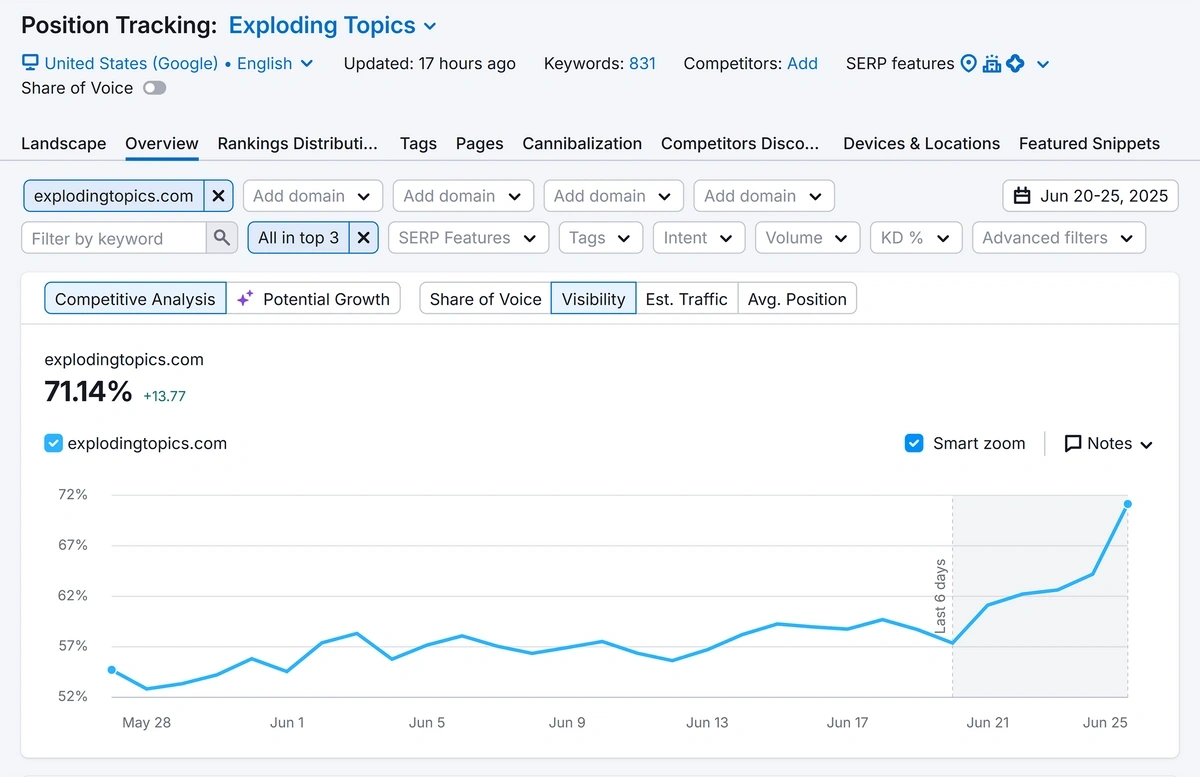
I use Semrush to set up position tracking reports for ChatGPT. These reports show me how my clients’ sites are appearing in ChatGPT search results. I can also see how large our share of voice is in these AI outputs.
The HubSpot AI Search Grader provides some insight around share of voice in LLM responses, but you can’t track specific keyword positions with the tool.
Semrush content optimization tools are also helpful for increasing the likelihood that your content appears in AI search results.
Semrush Tools for Social Media Management
The Semrush social platform lets you:
- Track competitors’ performance on different platforms
- Create and schedule content with AI
- Monitor media mentions
- Find influencers to work with.
The Semrush App Center
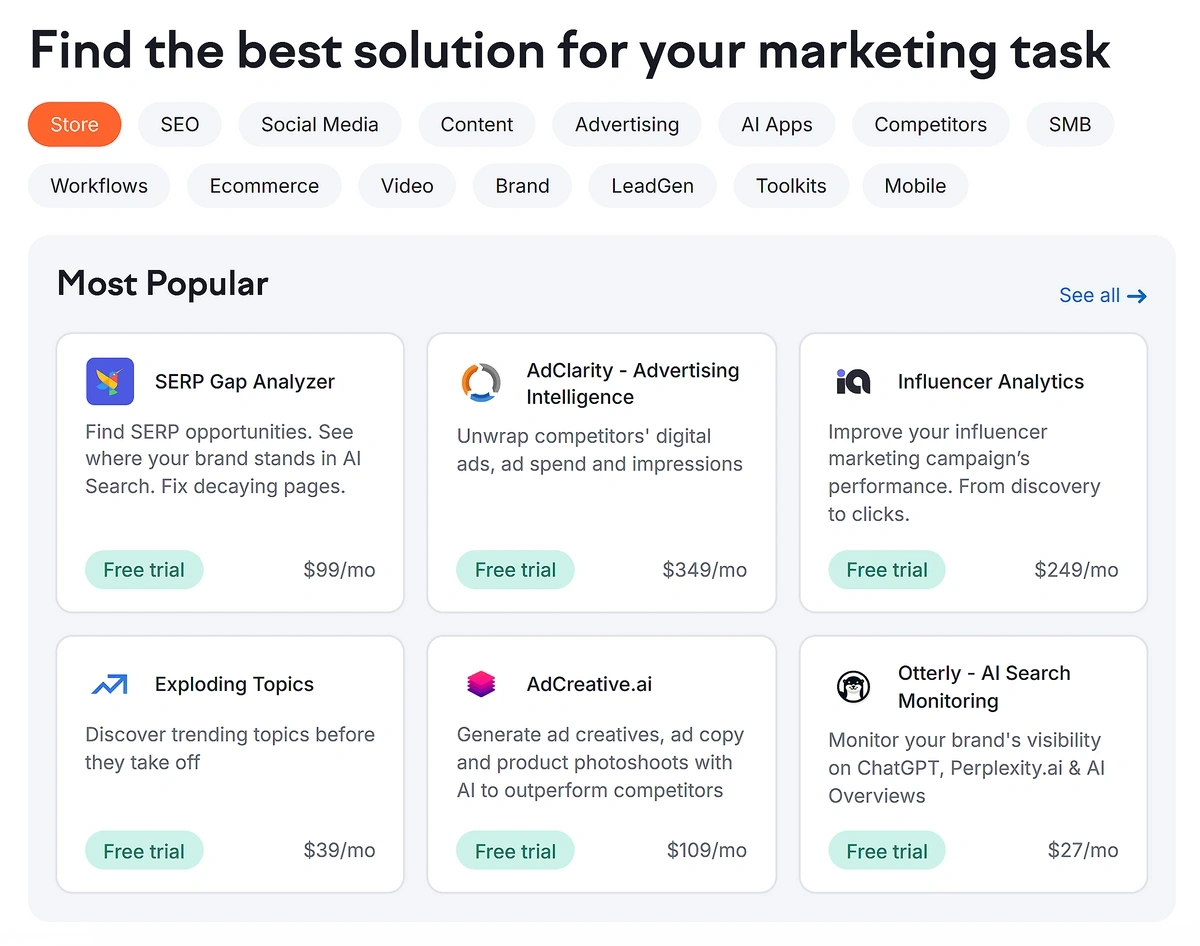
One of the best things about using Semrush as a marketing tool is that you aren’t constrained to its core features. You can expand Semrush through apps that do things like:
- Give you greater insight into competitor advertising campaigns
- Help you find and generate leads
- Leverage Reddit marketing to grow your customer base
- Improve YouTube video performance
- Find and monitor trends in your industry
This flexibility means that Semrush can grow along with your business and marketing needs—whether you’re in a B2B or B2C industry.
Semrush Plans and Pricing
Semrush offers a free plan as well as three different paid pricing plans.
| Plan Tier | Cost (Billed Annually) | Best For |
| Pro | $117.33 per month for one user | Single-website projects |
| Guru | $208.33 per month for one user | Small businesses and freelance marketers |
| Business | $416.66 per month for one user | Marketing agencies and mid-size companies |
You can add additional seats to any plan for $80 per user, per month.
Semrush Pros and Cons
| Semrush Pros | Semrush Cons |
| Generous free plan | All paid plans are over $100 per month for a single user |
| App Center to expand tool capabilities | Limited support for lead generation |
| Large keyword research database | No content management support |
| Tools for on-page, off-page, and local SEO | No email marketing support |
| Content optimization tools | |
| AI rank tracking capabilities | |
| Social media marketing tools | |
| WordPress, Chrome, and Google Docs integrations |
Should You Use Semrush or HubSpot?
| I Want to… | Try Using: |
| Build chatbots and workflows with AI | HubSpot |
| Improve my email marketing efforts | HubSpot |
| Generate leads for my B2B business | HubSpot |
| Generate leads for my marketing agency | Semrush |
| Research keywords and track my rank | Semrush |
| Write optimized content for SEO purposes | Semrush |
| Manage customer contacts and support tickets | HubSpot |
| Plan and run advertising campaigns | Semrush |
| Increase foot traffic to my local business | Semrush |
| Manage customer journeys and build sales funnels | HubSpot |
| Build and manage outbound marketing campaigns | HubSpot |
| Build and manage inbound marketing campaigns | Semrush |
| Analyze how my brand appears in AI search results | Semrush or HubSpot |
| Manage social media posts | Semrush or HubSpot |
| Track my competitors’ social media strategy | Semrush |
| Conduct multichannel competitor analysis | Semrush |
| Respond to and nurture social media followers | HubSpot |
| Share key marketing analytics with others thanks to reporting capabilities | Semrush or HubSpot |
| Read and watch user-friendly tutorials to help me improve my digital marketing strategies | Semrush or HubSpot |
| Conduct technical SEO site audits | Semrush |
How to Make Semrush and HubSpot More Effective
You can make both Semrush and HubSpot more effective by using a trend spotting tool like .
Semrush on its own is great for historical SEO research. HubSpot is useful when you need real-time engagement information. But only can give you past, present, and future trend insights.
This means that you can see:
- What your ideal audience is interested in
- How likely they are to maintain this interest
- Where they’re discussing the topic
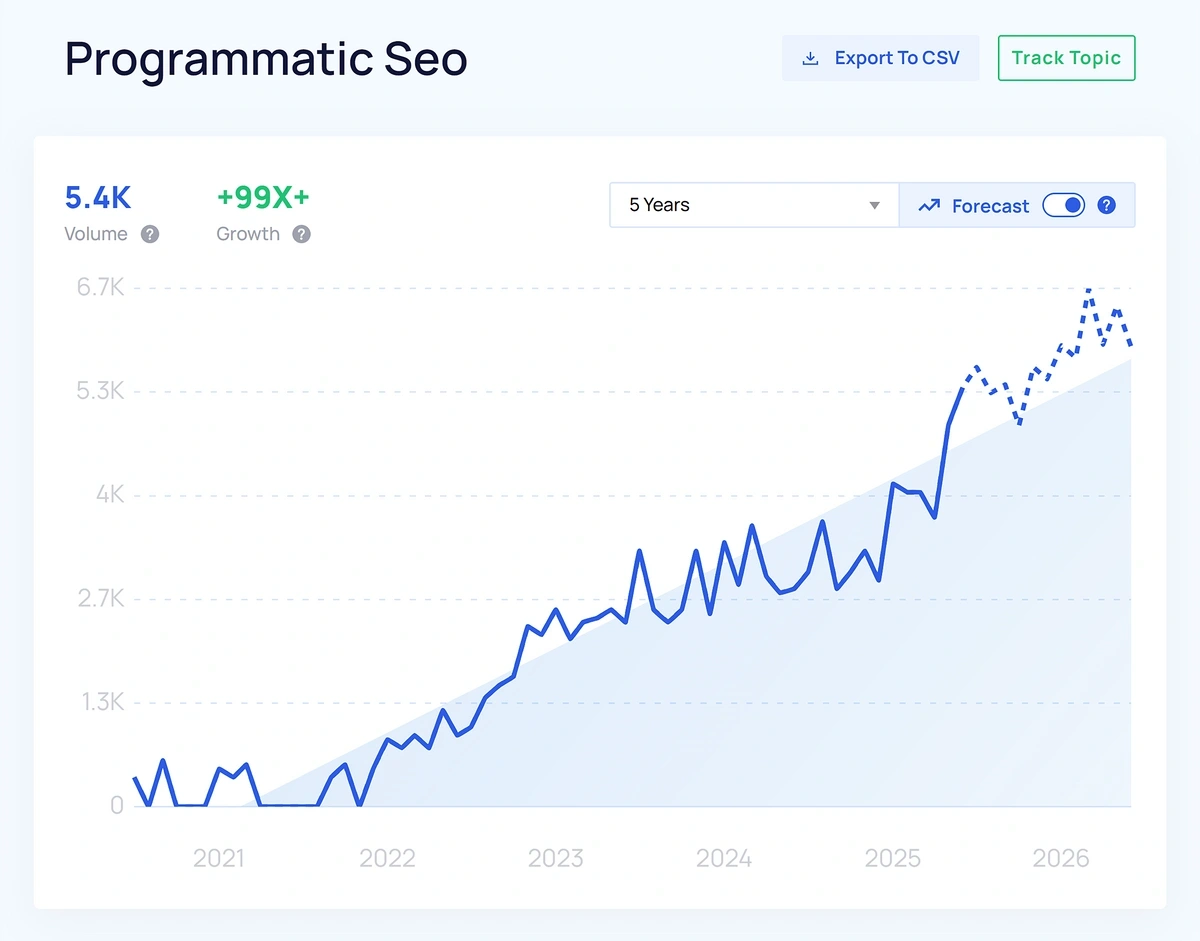
You can then use this information to inform your SEO strategy, social media planning, email campaigns, and more.
Grab a free seven-day trial of Pro to see exactly how useful it can be in both your Semrush and HubSpot workflows.