Answer Socrates and are two tools that can show you what topics people are interested in right now. This type of information is extremely useful for marketing, product development, content planning, and more — but the type and amount of data you get from each tool varies.
I've used both Answer Socrates and in my work as a marketer. In this guide, I'll explain what each platform offers and help you decide which topic research tool will be best for your needs.
[list=topic number=5 category=marketing]
Answer Socrates vs. : At a Glance
| Answer Socrates | ||
| Useful For: | Understanding what questions people have about a trend or topic, exploring Google's "People Also Ask" search results feature | Exploring trends across an entire industry sector, understanding how trends perform across different channels |
| Sources Data From: | Google search, Google Trends, Deepseek, Google Gemini | Search engines, podcasts, media outlets, blogs, online forums, social media, and more |
| Other Features Include: | Title generation, keyword clustering, semantic keyword, LLM keyword, and bulk keyword generation tools | Trending startup lists, trending product reports, TikTok-specific trend analysis, Meta Trends, expert reports, and more |
What is Answer Socrates?
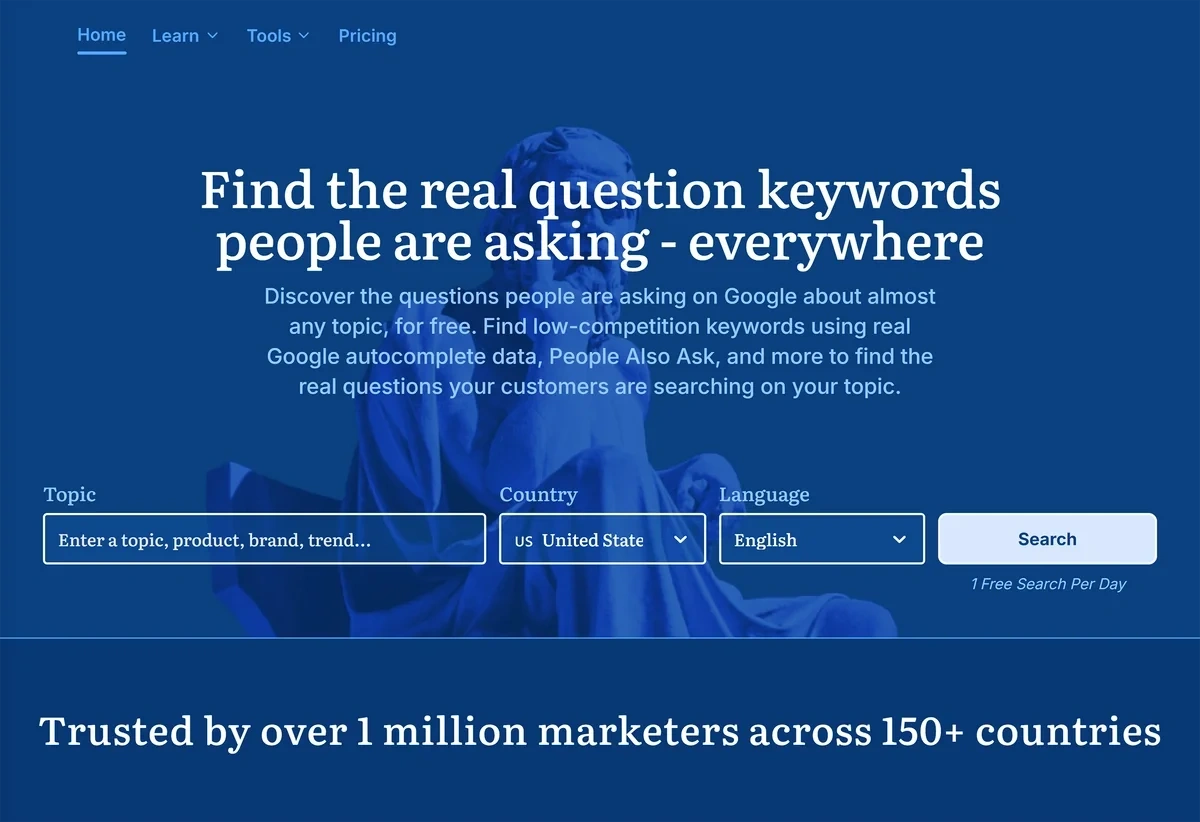
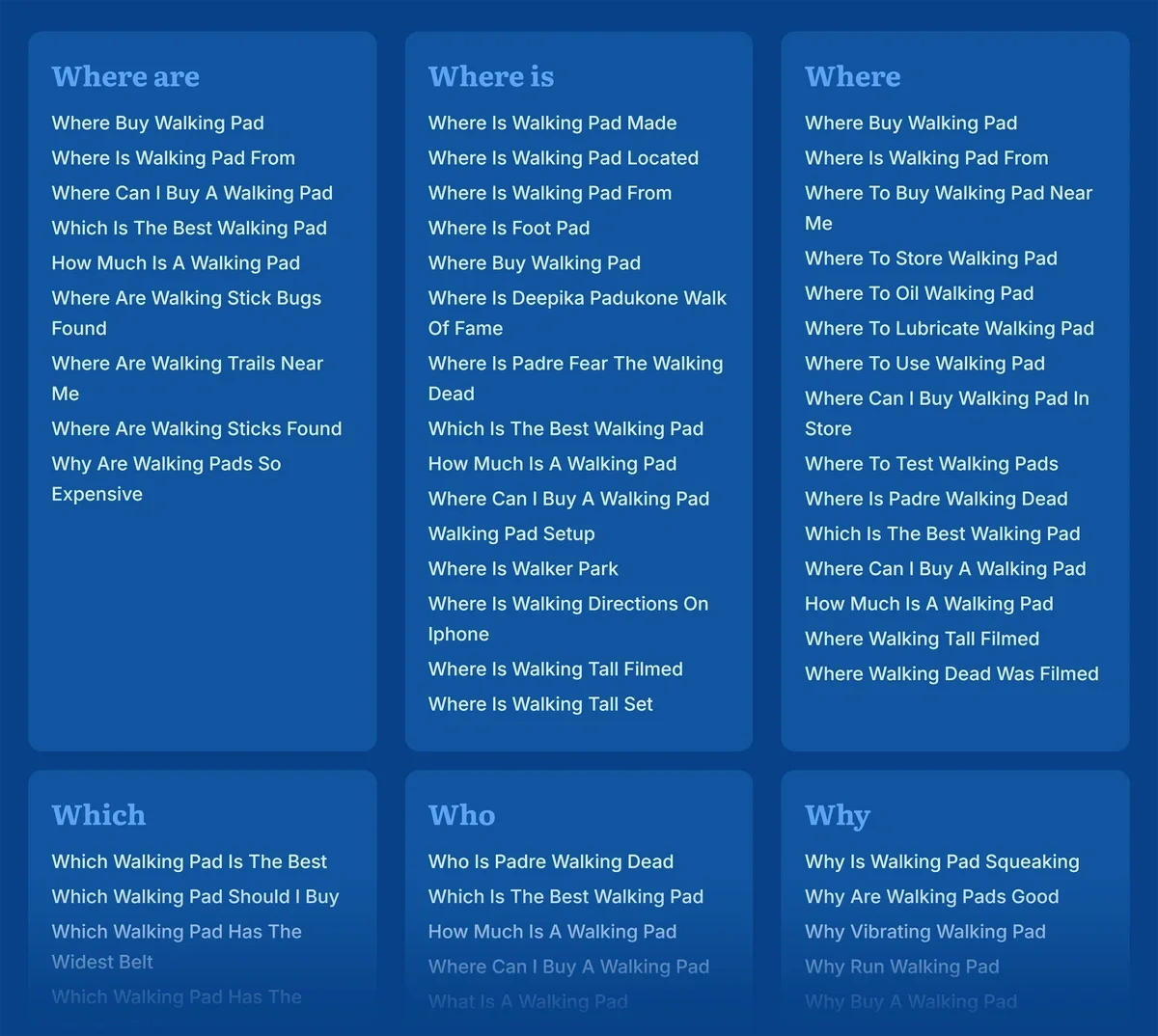
Answer Socrates is a keyword and trend discovery tool. When you enter a topic into the app, you'll get a long list of related terms, topics, and questions — along with top-level information about the topic's performance in Google Search.
You can sort the provided information by:
- Type of question
- Question source
- Question structure
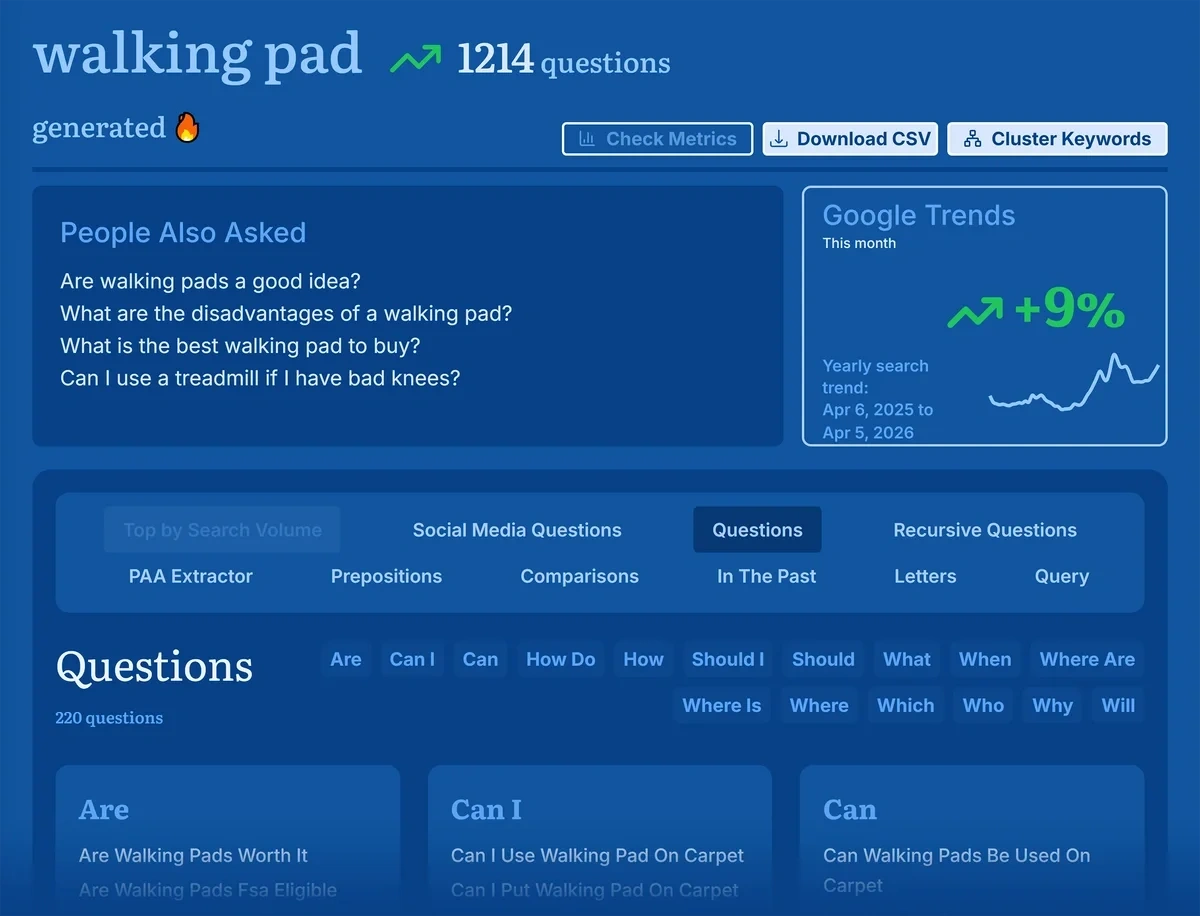
Answer Socrates also shows you how many total questions were generated on the topic, which can give you an idea of how popular a given subject is.
Where Does Answer Socrates Get Its Data?
Answer Socrates gets most of its data from Google search and Google Trends. While actual trend data is limited to a small graph, you can get far more "People Also Ask" data and keyword clusters from Answer Socrates than Google alone.
[cal:comp_keywords]
How Much Does Answer Socrates Cost?
You can run up to one free search a day without logging in; creating a free Answer Socrates account gives you three free searches and 1,500 keyword clustering credits per month. (Adding one keyword to a cluster costs one credit.)
If you want to search for or cluster more keywords, you'll need a paid Answer Socrates plan. Options start at $150 per year and include features like:
- Higher credit limits for keyword searching and clustering
- Recursive search tools
- SEO data including keyword volume
- LLM keyword tracking tools
What is ?
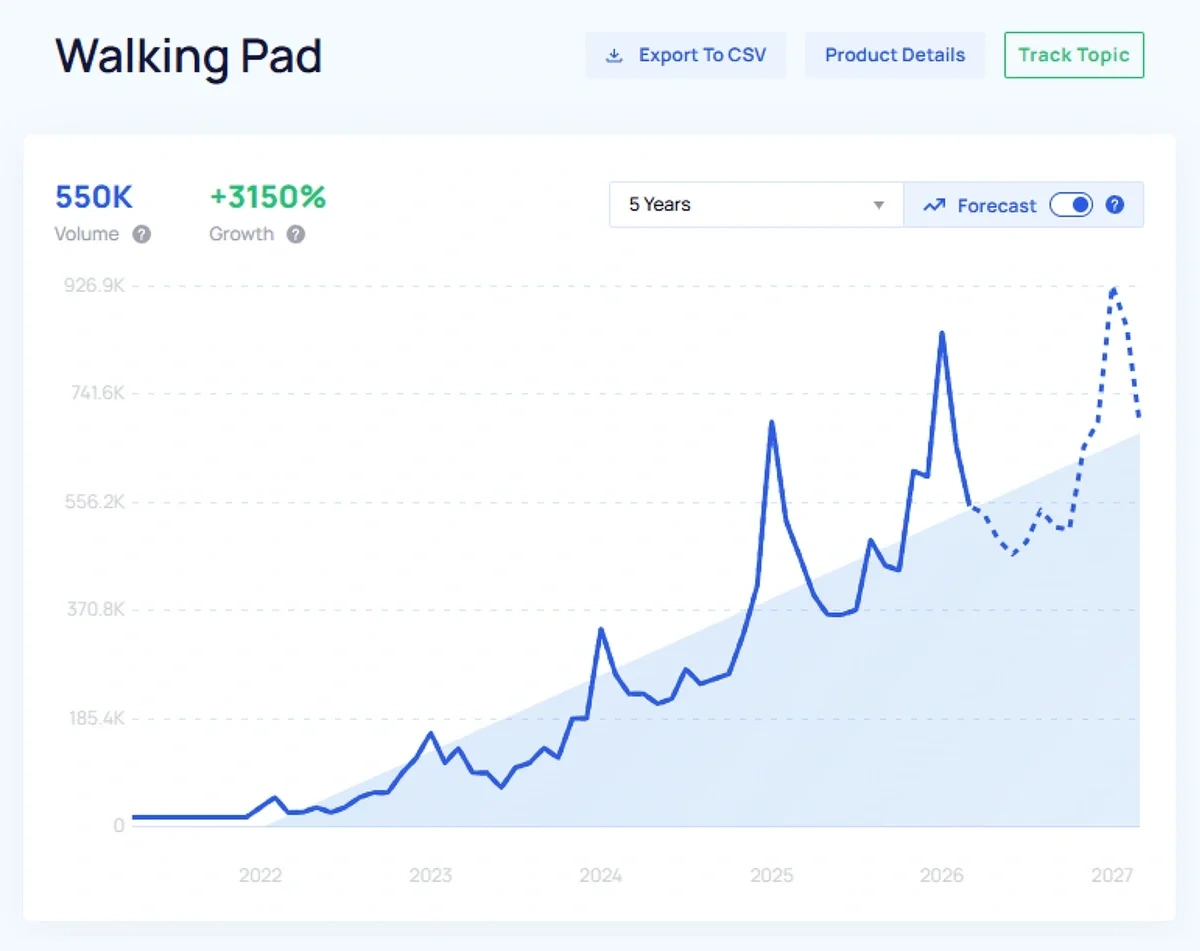
is a trend tracking tool. You can use the app to assess trend popularity, find related trending topics, evaluate trends across marketing channels, and more.
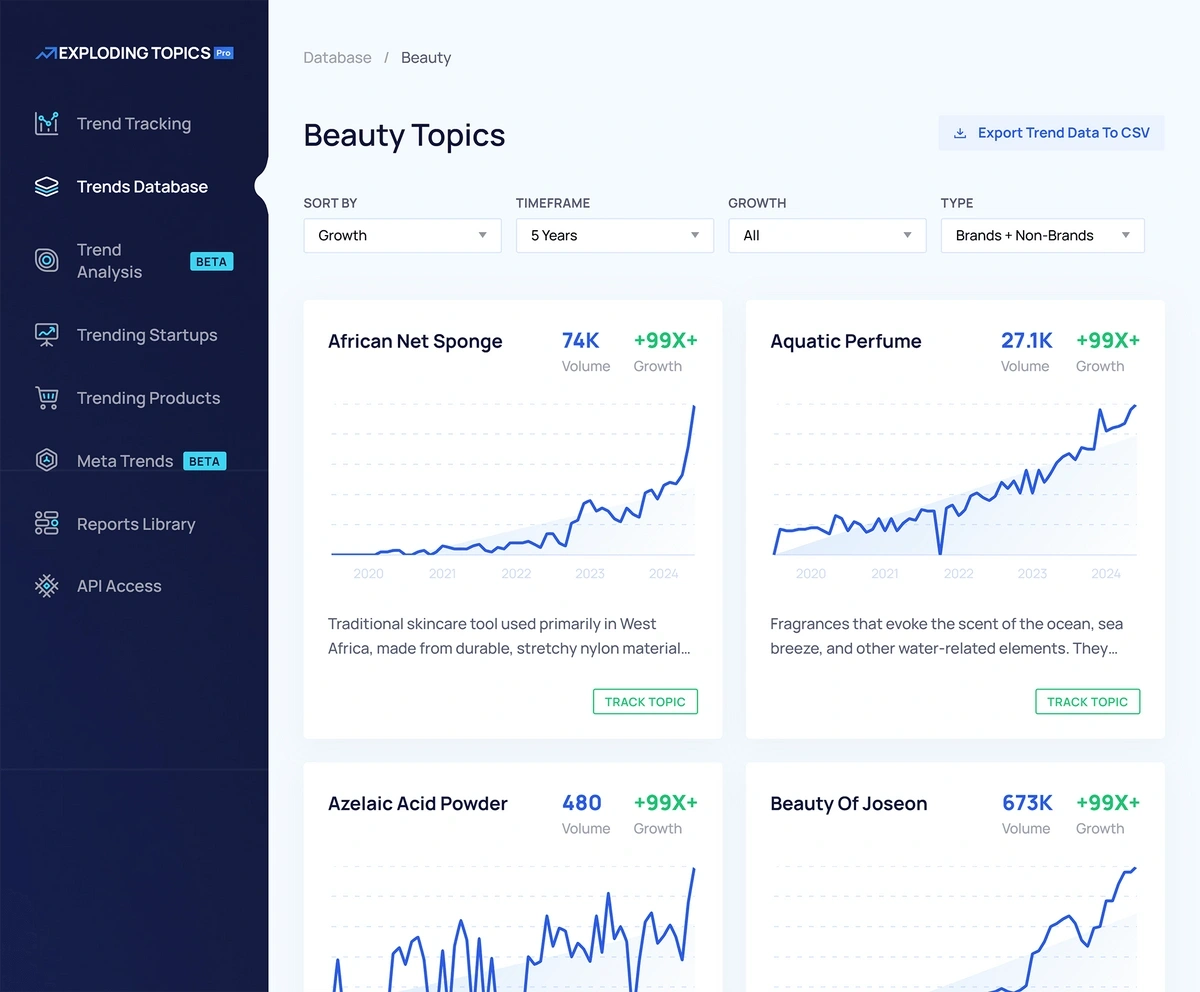
While Answer Socrates requires you to start your research with a keyword or term, allows you to browse trending brands and topics across multiple industries. This makes it a great tool for situations where you're having trouble coming up with ideas or need to explore an industry that's completely unknown to you.
Where Does Get Its Data?
The methodology involves data collection from search engines, podcasts, media outlets, blogs, online forums, social media, and other sources. From there, the app's machine learning models identify trend patterns — and human experts verify the outputs, remove fads, and add supporting qualitative insights to specific trends.
How Much Does Cost?
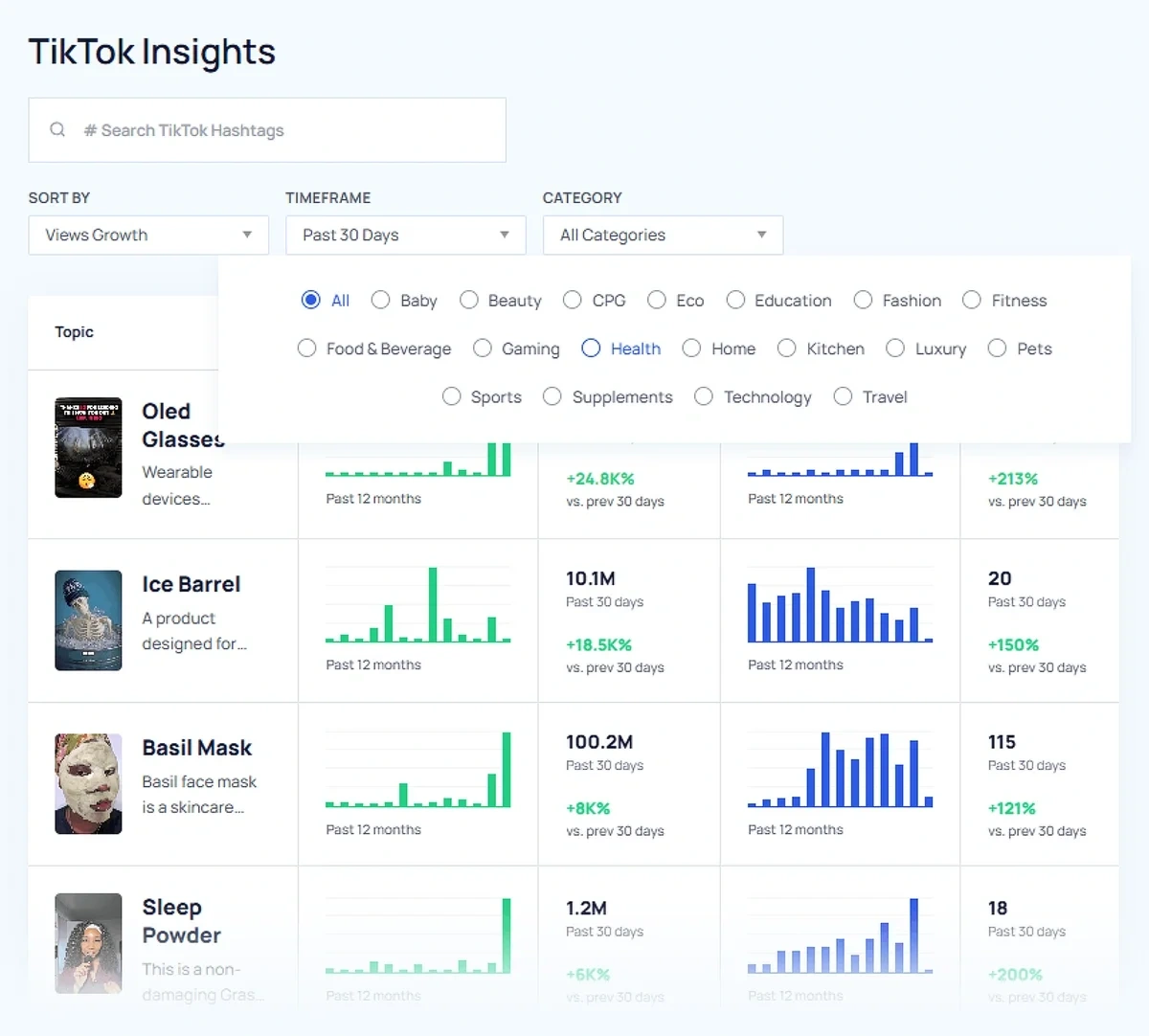
is free to use; you can browse a large portion of the database without creating an account. To get access to the full database, including TikTok trend insights and lists of trending products on Amazon, you'll need a paid plan. Options start at $39 per month (billed annually).
Ways You Can Use Answer Socrates and
I personally use Pro and the free version of Answer Socrates in my work. While the tools do offer some overlap in terms of understanding what people are interested in, the way the platforms present their data is very different.
Trend Research
Answer Socrates and are both helpful when conducting research around trends. I prefer using when I want to understand what is trending and where. Once I know that, I can use a tool like Answer Socrates to get a better understanding of what people are asking about the trending topic (or related terms) online.
Search Engine Optimization (SEO)
If you're conducting research for SEO and marketing purposes, both and Answer Socrates are helpful tools. I like using to identify the top trends in my target industry and pinpoint what channels are best to focus on when marketing. If a topic is performing well across search channels, I can then use Answer Socrates to identify the questions people are asking, generate semantic keywords to help when creating content, and more.
Tip: If you prefer to conduct all of your research in one spot, or need more SEO tools than Answer Socrates offers, try Semrush One. is available through the Semrush App Center, so it's very easy to toggle between different features, create keyword lists, cluster terms, and look up essential SEO data about your top keywords.
Product Development
Pro subscribers can get access to a Trending Products report that I personally find very helpful when I want to evaluate what consumers are interested in right now. (It's particularly useful for Amazon sellers, too, as the report contains pricing data.)
Answer Socrates doesn't include as much direct product information, but you can use it to look up a brand name and see what comparative questions people are asking — i.e. "Nike vs. Reebok running shoes" or "Kindle vs. Kobo ebooks."
If you're an e-commerce store owner or entrepreneur, then I think you'll find to be the most useful tool. If your work is mostly focused on content marketing and occasionally creating comparison articles, then Answer Socrates' data might be enough for your needs.
[cal:freshness]
Other Ways to Use Answer Socrates and
| If you need to... | Try... |
| Get ideas for viral content | |
| Determine what will be trending in the future | |
| Find question-based keywords | Answer Socrates |
| Research trending products | |
| Learn more about big players and trends in an industry | |
| Cluster keywords for content strategy purposes | Answer Socrates |
| Develop lists of semantic keywords | Answer Socrates |
| Gather data on competing startups |
Get Better Audience Insights By Following This Plan
If you're trying to get better audience insights, here's what I recommend:
- Create a free Answer Socrates account. This will give you access to more platform features and the ability to run additional free searches per day.
- Sign up for Pro so you have access to the platform's various features.
- Begin your trend and topic research in . Get a sense for what people are interested in, how interest is shifting, and what platforms are the biggest drivers of interest in a given topic.
- Once you narrow in on some topics you'd like to target, use Answer Socrates (or a full-featured SEO tool like Semrush One) to gather specific questions people are asking about the topic.
- Use these questions to further identify potential trends you can look up in , or begin creating keyword clusters for use in your marketing efforts.
You can do all of this for free, too — just sign up for a seven-day Pro free trial to get access to product listings, trend reports, forecast data, and more.